Emergency and repair services
Prioritize immediate search demand, calls, location coverage, availability, and response speed.

Reach more local customers with paid search, local visibility, focused landing pages, and clear lead tracking built around the services you want to grow.

Five parts of a stronger local acquisition system
Urgent repair, planned renovation, visual home improvement, and commercial work have different intent, proof needs, response times, and sales cycles. Channel strategy should reflect those differences.
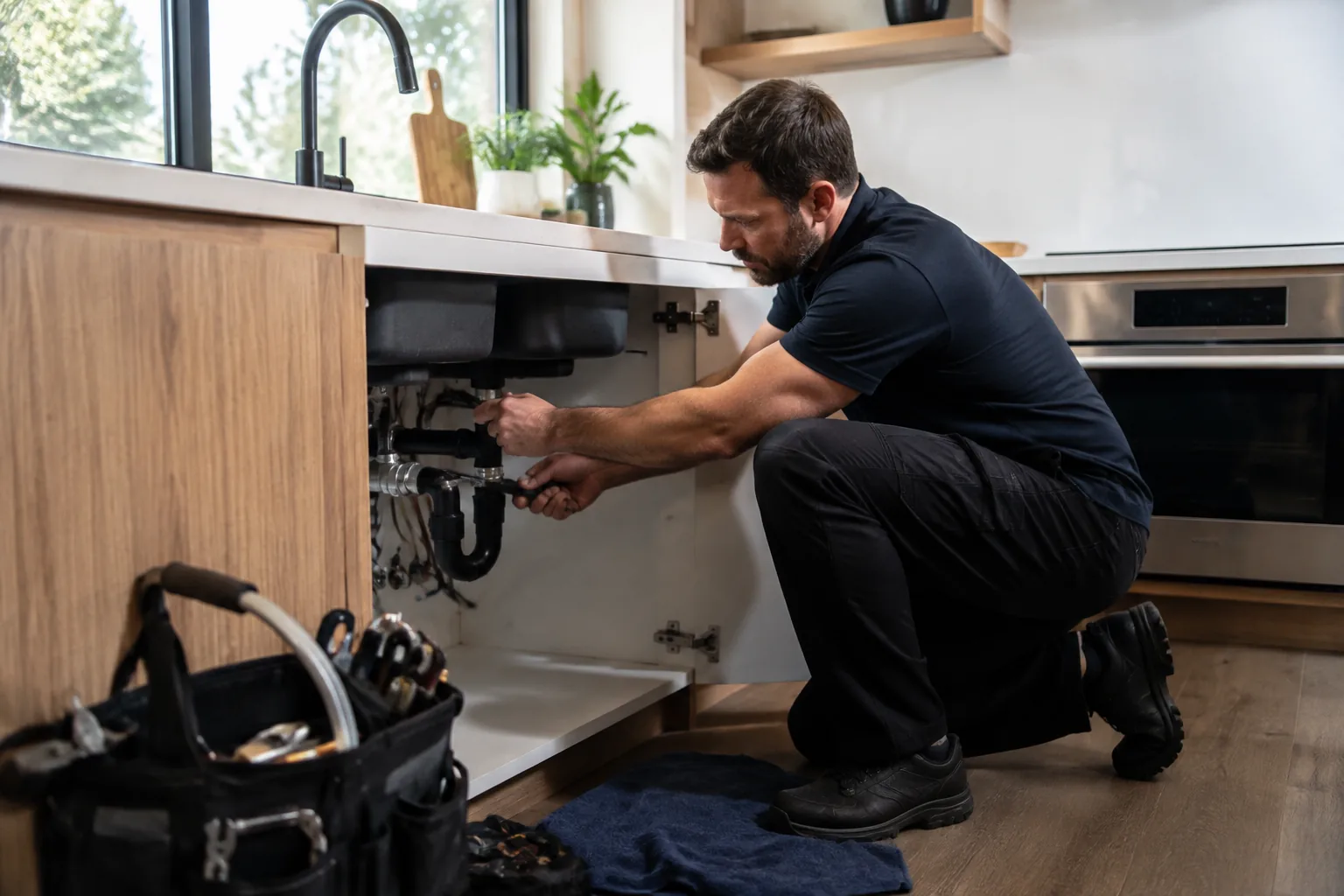


Prioritize immediate search demand, calls, location coverage, availability, and response speed.
Build trust and qualification around larger installations, remodeling, and longer decisions.
Use project imagery, demonstrations, education, and retargeting to create preference.
Match services to decision-maker intent, project requirements, geography, and longer follow-up.
Share your service area, priority services, current marketing, and sales challenge. We will review where demand, conversion, measurement, or follow-up is limiting growth.
These case studies cover urgent search demand, emerging-product education, visual home improvement, and specialist contractor lead generation. Metrics remain tied to their individual reporting context.
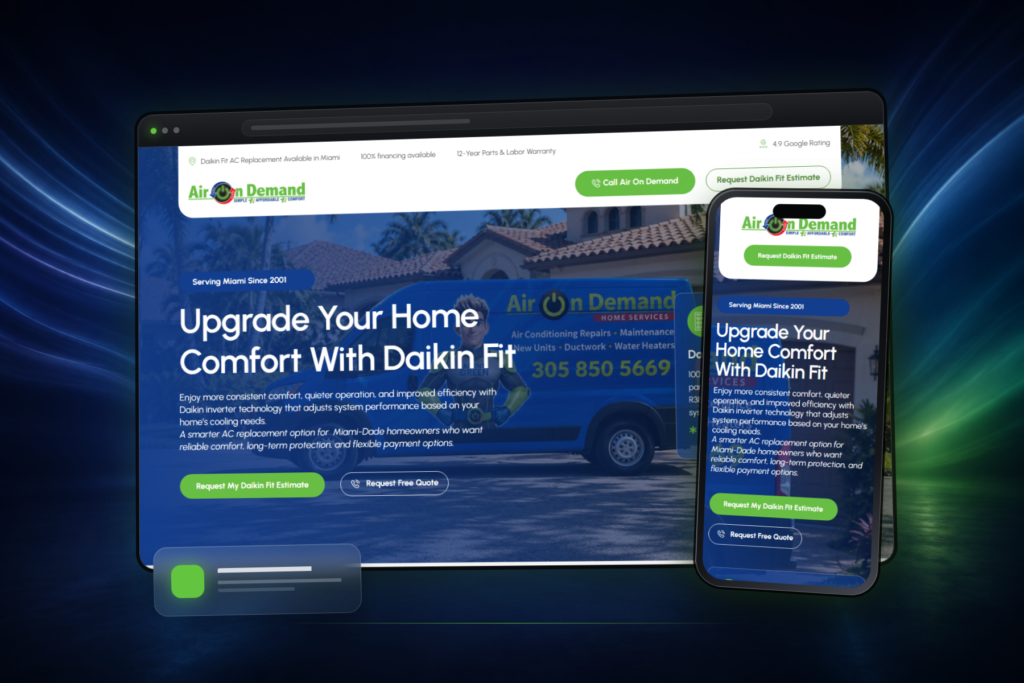
Search, video, Meta, landing pages, tracking, and lead-generation campaigns.
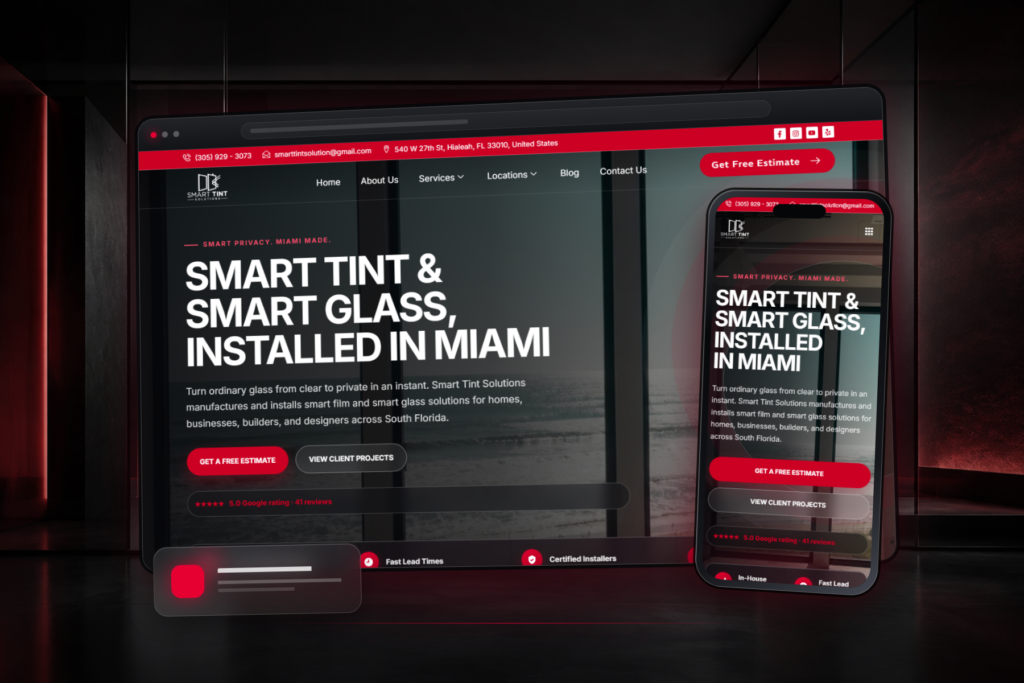
Search, Meta, landing pages, tracking, and product-focused messaging.
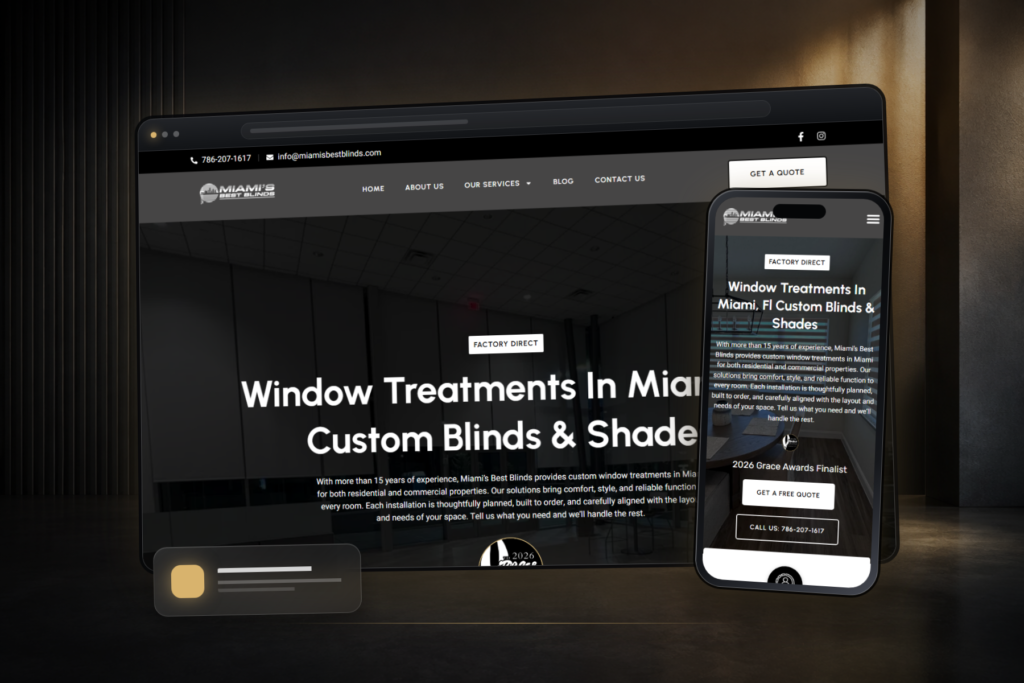
Google Ads, landing pages, conversion tracking, Meta, and GoHighLevel.
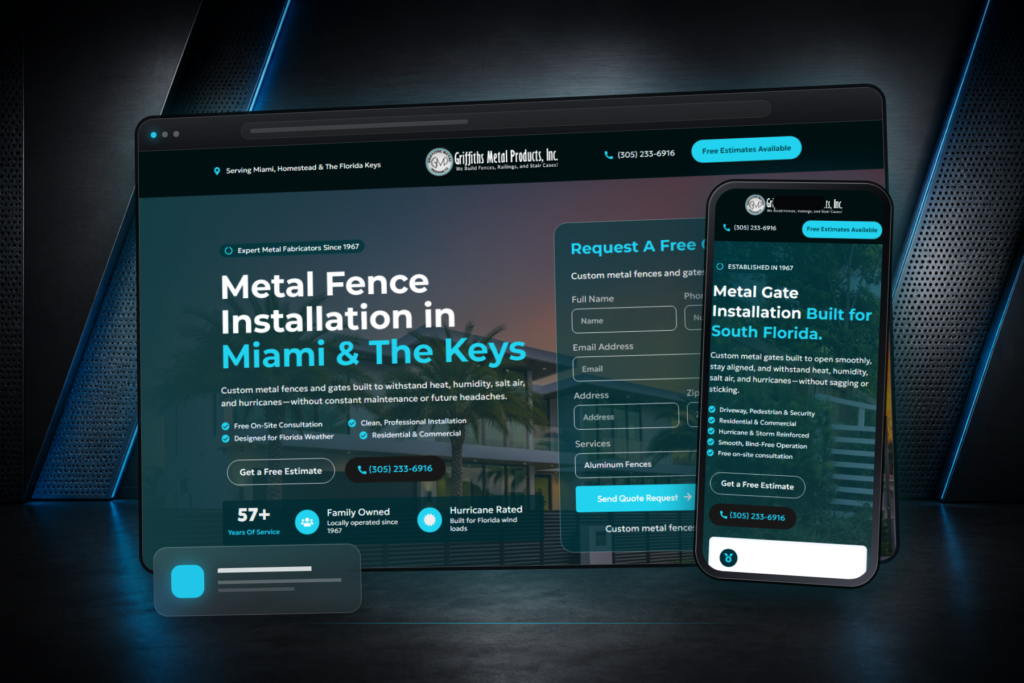
Product landing pages, Google Ads, Meta, tracking, and continuous optimization.
Platform conversion actions are not the same as closed sales. Each full case study explains the campaign scope, measurement and reporting context.
Strong home-service marketing connects demand capture, awareness, local proof, conversion, tracking, and lead follow-up. Each layer should have a clear role and share useful data with the next.
Separate priority services, urgency, customer type, brand, commercial, and location intent.
Use Meta, video, projects, education, offers, testimonials, and retargeting where they fit.
Connect each campaign to the right service, location, trust signals, and next action.
Bring Local SEO, calls, forms, CRM stages, appointment value, and sales feedback into one view.
Each specialist page applies the same measurement discipline to a different buying journey, search pattern, proof requirement, and sales process.
Urgent repair demand, installation opportunities, local visibility, calls, and seasonal campaigns.
Product education, awareness, search capture, focused landing pages, and measurable enquiries.
Product-specific search, visual inspiration, retargeting, local proof, and consultation requests.
Hurricane protection, replacement projects, financing, trust, and qualified estimate requests.
High-value project intent, portfolio proof, qualification, consultations, and longer follow-up.
We will assess demand, economics, competition, proof, capacity, and the sales process before recommending a channel.
No. Digiax Studio has direct Miami and South Florida experience, but suitable campaigns can be managed for businesses in other markets.
It depends on the service and buying journey. Search often fits immediate demand. Meta can support visual services, awareness, offers, and retargeting. SEO and Google Business Profile can build longer-term local visibility.
Yes. We can review campaign structure, search terms, negative keywords, bidding, budgets, geographic targeting, tracking, landing pages, and lead quality.
Not always. Dedicated pages are most useful where a service has enough demand, value, geographic focus, or a distinct decision journey to justify a focused experience.
Yes. Calls, click-to-call actions, forms, and other customer actions can be tracked where the technical setup and privacy requirements allow it.
Yes. Service pages, Google Business Profile, reviews, project photos, technical SEO, and location relevance can support the acquisition system.
Yes, depending on the CRM and current setup. Lead sources, notifications, appointments, estimates, pipeline stages, and sales outcomes can be connected where the technology supports it.